Regulator Lookup Methods: The Complete Guide
Regulator lookup methods — The Complete Guide: Need the right regulator fast, without guessing from a blurry label or a bad part number? Quick answer: the…
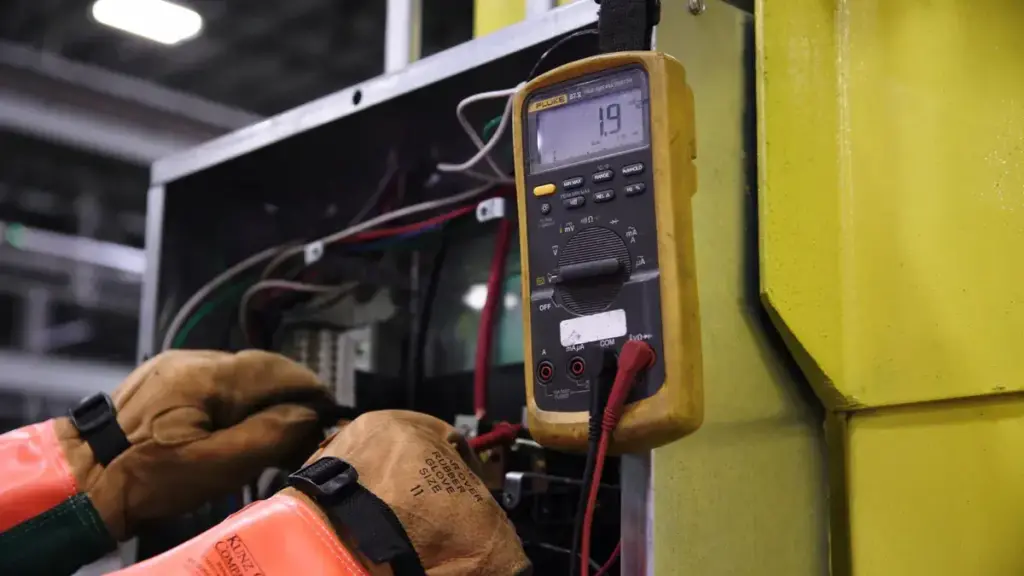
Technician using a multimeter on electrical wiring
Last updated: November 13, 2026
Need the right regulator fast, without guessing from a blurry label or a bad part number? Quick answer: the most reliable regulator lookup method is to start with the exact model number, then confirm the pressure, thread, and port standard before you buy or swap anything. The sections below settle which lookup method works best, which one fails in the field, and what to do when the label is missing.
Regulator lookup methods — The Complete Guide is a step-by-step way to identify a part without relying on guesswork. A regulator lookup is not one trick; it is a chain of checks. I write on regulated systems, part identification, and component matching, so I care about the details that keep a search from turning into a wrong-order mess.
Key Takeaways
- The fastest lookup often starts with the exact model number on the body, tag, or manual.
- If the model is missing, the next practical path is brand + port size + pressure range + thread type.
- A regulator that “looks close” can still fail because of seat material, spring range, vent style, or port standard.
- Photos help, but photos alone are weak evidence unless you can read a part code or confirm a standard.
- If the use case is safety-critical, the lookup should end with the maker’s manual, a distributor listing, or a standards sheet—not a forum guess.
What is the best way to identify a regulator?

The best practical way is to start with the manufacturer’s part number and then confirm the regulator’s pressure range, inlet and outlet sizes, and connection standard. That order saves time because one exact code usually tells you far more than shape alone.
Picture this: you have a regulator in hand, but the text is worn and the body looks like five other models. You want the part name, the specs, and a buying match that won’t waste a day. Model code first is the cleanest path, and it is the most repeatable one.
The model code usually leads to a datasheet, and the datasheet gives you the information that actually matters: operating pressure, port threads, media compatibility, relief type, and sometimes the revision. A faceplate photo may help, but it rarely closes the case on its own. NIST’s standards resources and BSI’s standards pages are useful references when a lookup needs a standards-based check. See the NIST standards resources and the BSI standards search.
Use this order:
- Read every marking on the body, bonnet, knob, or tag.
- Search the maker’s site, distributor catalog, or manual by the exact code.
- Confirm pressure range, thread standard, and port size.
- Check the vent, gauge port, and body material if the application cares about them.
- Compare the replacement only after those checks.
A regulator with the wrong thread can appear to fit and still be unusable. That’s the trap.
How do I find a regulator when the label is gone?
If the label is gone, the best lookup method is to identify the brand, port standard, pressure range, and vent style from the body and then compare those details against a manufacturer catalog. That is slower than a part-number search, but it is still reliable when done in the right order.
Picture this: the sticker is peeled, the ink is faded, and the knob has no code. You still have clues. The body shape, gauge ports, end fittings, and vent design often narrow the field fast. Brand plus standards beats guesswork every time.
Start with the visible clues:
- Brand logo or cast mark on the body or bonnet
- Port size such as 1/4 in, 3/8 in, or 1/2 in
- Thread type such as NPT, BSPP, or BSPT
- Gauge location and number of gauge ports
- Vent style: self-relieving, non-relieving, or external vent
- Adjustment range on the spring or knob
Then compare those clues against a catalog page. A catalog can often separate two regulators that look nearly identical but differ in body material, internal spring range, or port thread.
The catch: photos lie when scale is missing. A regulator that seems “small” can still have a different internal seat size or thread form. If the application matters, do not stop at the photo.
What details matter most in a regulator lookup method?
The most useful details are the ones that change fit or function: pressure range, port threads, media rating, relief type, and body material. Those five decide whether the part is a true match or just a lookalike.
A few other details matter when the job is more than a simple replacement:
- Set pressure range if the system must hold a narrow outlet window
- Inlet pressure rating if upstream pressure varies
- Flow capacity if the system starves under demand
- Seat and diaphragm material if the media is corrosive or wet
- Temperature range if the regulator sits outdoors or in a hot cabinet
A regulator can share the same shell with a different spring or seat. That means the outside match can still fail on the inside.
Which regulator lookup method works when all you have is a photo?

A photo-only lookup works best when the image clearly shows the brand, the thread size, and the vent or gauge layout; otherwise, it is only a lead, not an answer. Good photos narrow the field. Bad photos create false confidence.
Picture this: you have a phone shot from across a shop bench. The regulator is there, but the important text is not. That image can still help if the shape is distinctive, but it usually cannot carry the whole search. Photo plus one hard detail is the minimum I trust for a real lookup.
Use the photo in this order:
- Zoom in on the body for cast marks, engraving, or tag remnants.
- Compare the gauge position and body profile with the maker’s catalog.
- Check whether the fittings appear to be pipe thread, compression, or flare.
- Confirm the vent opening or relief feature.
- Search the image alongside likely brand names and port sizes.
A straight-on photo with a ruler or known object is better than a pretty angled shot. If the image hides the thread ends, you are still missing the most important clue. Many regulators share a family look across several model lines.
Why photos fail so often in regulator lookup methods
Photos fail because regulators are built in families, not as one-off shapes. A single body casting can support multiple pressure ranges, ports, or outlet styles.
That means these lookalikes can trip you up:
- Same housing, different spring range
- Same knob, different port thread
- Same gauge port, different relief style
- Same brand family, different media rating
A photo can point you to the family. It cannot always name the exact member. That distinction matters when the system is sensitive to pressure, flow, or media.
How do I match a regulator by part number?
You match a regulator by part number by treating the code as the first source and the datasheet as the proof. If the code is correct, the rest of the lookup becomes a confirmation step instead of a hunt.
Picture this: the tag reads something like a short model code, but you do not know which piece of the code means pressure range, body type, or port size. Most maker codes bundle several details into one line, and each segment matters. Decode the full string, not just the brand.
A solid part-number lookup should confirm:
- Series or product family
- Body material
- Port size and thread standard
- Outlet pressure range
- Gauge port option
- Relief or non-relief design
- Revision or suffix letters
If one digit or suffix is wrong, the replacement may still look right and still be wrong. Suffixes often hide the practical differences. A manual or datasheet is better than a reseller title that drops half the code.
The best route is the one that starts with the part number and ends with a datasheet check. That is why distributor listings, catalog PDFs, and maker pages deserve more trust than a marketplace title with shorthand text.
What if the part number is partial?
A partial part number is still useful, but only as a clue. Use the visible prefix to identify the family, then fill in the missing fields from the body marks and the catalog.
A partial code is common when a label is rubbed off or a suffix sits under a clamp. In that case:
- Match the first letters or digits to the maker’s family
- Compare the visible port size to the catalog drawings
- Check whether the body material matches the family option
- Look for spring range clues on the knob or tag
Do not guess the missing suffix. That is where bad replacements come from.
The real difference between a catalog search and a distributor search
A manufacturer catalog is better for confirming the exact regulator family, while a distributor search is better for finding current availability and alternative sellers. Use the catalog to identify; use the distributor to shop.
Picture this: you have one likely model, but you still need to know whether the regulator comes in brass, aluminum, or stainless, and whether the port is 1/4 in NPT or BSPP. A catalog PDF is built for that job. A distributor listing is built to sell parts and often shows what is in stock now.
Catalog search for regulator lookup methods
A maker catalog usually gives the clearest specification sheet, model breakdown, and family structure. It is the best place to verify a suffix, pressure range, or body option.
Distributor search for regulator lookup methods
A distributor listing is useful because it can show alternate sellers, current stock notes, and cross-reference language. It also gives you a second check on part number formatting.
Which one wins?
Catalog search wins for correctness. Distributor search wins for speed and shopping. If the goal is identification, start with the catalog and use the distributor second.
| Criteria | Catalog Search | Distributor Search | Winner for [condition] |
|---|---|---|---|
| Part-code decoding | Full family breakdown | Often abbreviated | Catalog Search for exact ID |
| Current stock | Sometimes missing | Usually present | Distributor Search for buying now |
| Spec depth | Strong | Medium | Catalog Search for technical match |
| Cross references | Limited | Often useful | Distributor Search for alternates |
| Revision details | Better chance of showing them | May hide them | Catalog Search for suffix checks |
| Search speed | Slower at first | Faster for known codes | Distributor Search for quick purchase |
| Fit confidence | Higher | Depends on listing quality | Catalog Search for critical systems |
| Multiple sellers | No | Yes | Distributor Search for comparison |
When the catalog is enough
If you already have the exact model and need only a datasheet, the catalog is enough. It will usually tell you the standards, dimensions, and options without noise.
When the distributor helps more
If the code is incomplete or discontinued, a distributor can surface alternate listings and replacement paths. That is useful, but it still needs catalog confirmation before you order.
What are the most common mistakes in regulator lookup methods?
The most common mistake is trusting shape over specs. A regulator can look identical and still differ in thread type, pressure range, or internal design.
Picture this: you find a part that “looks right,” and the body color, knob shape, and gauge port all seem close. Then the thread does not seat, or the outlet range is wrong, or the vent is not suited to the job. Looks are not enough.
Common mistakes include:
- Matching by photo only
- Ignoring the thread standard
- Confusing NPT and BSPT
- Missing the pressure range suffix
- Forgetting the media compatibility
- Overlooking vent type or relief style
The best defense is to compare at least three independent clues before buying. Model code, port standard, and pressure range will stop most errors. If one of those is missing, slow down.
A lot of bad lookups happen because the reader assumes all regulators in a product family are interchangeable. They are not. The body can stay the same while the internal spring, seat, or port form changes. That difference can matter even when the label is almost the same.
What should I check before I order?
You should check the exact model, the outlet range, the inlet rating, the thread standard, and the seller’s return rules. Those five items prevent most ordering mistakes.
Use this pre-order checklist:
- Confirm the model or family code.
- Match the port thread on both sides.
- Verify the pressure range against the system need.
- Check body material and media rating.
- Confirm whether the regulator is relieving or non-relieving.
- Make sure the listing includes the revision or suffix you need.
If one item does not match, keep looking. A cheap shortcut often becomes a second purchase.
When should you stop doing a DIY regulator lookup?
You should stop the DIY lookup when the regulator is safety-critical, the markings are unreadable, or the application depends on a strict standard. At that point, the cost of a wrong match is too high for guesswork.
Picture this: the system feeds a process, a gas line, or a pressure-sensitive tool, and the regulator controls more than convenience. If the label is gone and the outlet range is not obvious, a casual identification can create a real problem. High-stakes systems need hard proof.
Stop the DIY path when:
- The regulator is part of a safety system
- The pressure range is not visible
- The fitting standard is unknown
- The media is hazardous or corrosive
- The replacement must match a code or compliance requirement
In those cases, use the maker’s technical document, the distributor’s exact listing, or a qualified parts source that can read the code from the full assembly. A forum answer is not enough when the system depends on a precise match.
Here are two authoritative places to start for standards and thread basics: the U.S. National Institute of Standards and Technology, which publishes measurement and standards resources, and the British Standards Institution, which maintains thread and fitting standards pages. If you need a standards-based match, those bodies matter more than a generic shopping result.
Which regulator lookup method should I use first?
You should use the method that gives you the most exact data with the least guesswork: part number first, then catalog confirmation, then photo and physical clues if the code is missing. That order is the fastest and the safest.
Picture this: you want a replacement today, but you still need a fit that works tomorrow. The method you pick determines whether you buy once or buy twice. Exact code wins when you have it; physical clue matching wins when you do not.
Use this decision path:
- Have the full part number? Search the maker catalog first.
- Have only a partial code? Identify the family, then confirm suffixes in the datasheet.
- Have no label? Use brand, port size, thread type, and vent style.
- Need a strict match? Verify against the manufacturer or standards sheet.
- Only need a general replacement? Compare distributor listings, but still confirm specs.
Exception scenarios where the usual choice flips
There are a few cases where the normal order changes.
- Discontinued parts. If the exact model is gone, a distributor search or cross-reference list may beat the maker catalog for finding a substitute.
- Damaged markings. If the label is destroyed, body clues and family photos become the only practical starting point.
- Unique OEM builds. Some regulators carry private-label codes, so the reseller listing may hide the original maker name.
- Short deadlines. If the part must ship quickly, a distributor with stock can matter more than a perfect catalog match, as long as the specs still line up.
Those are exceptions, not the rule. The general rule still stands: identify by code first whenever possible.
FAQ
How do I identify a regulator with no part number?
Start with the brand mark, port thread, pressure range, and vent type. Then compare those clues against the maker’s catalog or a trusted distributor listing. A photo alone is usually not enough unless it clearly shows a readable code or a unique body style.
Is a regulator lookup the same as a part-number search?
No, a part-number search is only one regulator lookup method. A full lookup can also use body markings, port standards, pressure ranges, and vent style when the code is missing or partial.
What if two regulators look identical?
Treat them as different until the specs prove otherwise. Identical shells can hide different spring ranges, internal seats, or thread standards, and those differences change fit and function.
Can I use a photo to identify a regulator?
Yes, but only as a starting point. A clear photo can narrow the brand family and reveal port layout, but it rarely proves the exact model on its own.
What is the safest final check before buying a replacement?
A practical final check is to compare the exact model or family code, the pressure range, and the thread standard against the manufacturer’s datasheet. If those three do not line up, do not order yet.
Drafted with AI; not yet reviewed by a person.






1 thought on “Regulator Lookup Methods: The Complete Guide”